
Friday 09 October 2026 - Pre-Congress Workshops
Workshop 1 – 0900 – 1600
Temporal Bone Lab
Restricted to 6 participants – e-mail gd@e2.co.za to add your name to the list. Restrictions apply
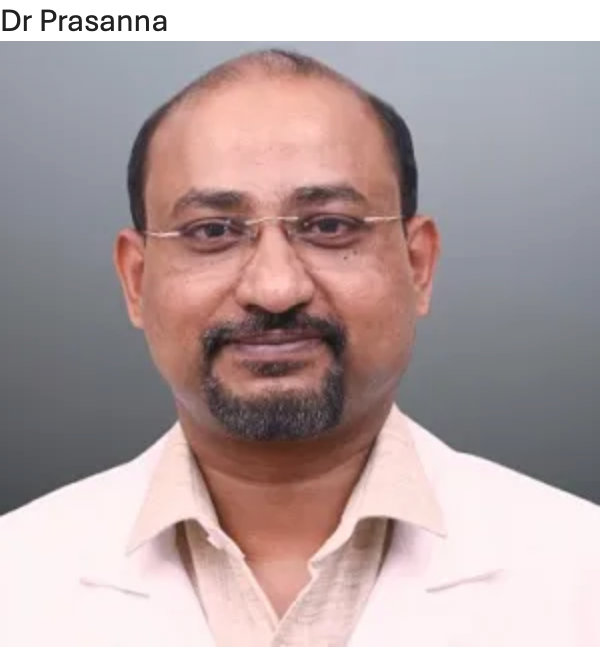
Dr (Maj) Prasanna Kumar, Professor & Head, ENT, Head & Neck Surgery, SRIHER (DU), Chennai
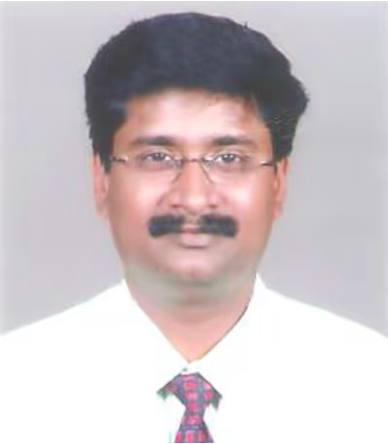
Dr L Somu, Professor, ENT, Head & Neck Surgery, SRIHER (DU), Chennai
Status
Open
Restricted to 6 participants
open to attendees that have registered and paid for a bundle only.
e-mail gd@e2.co.za to be included.
Temporal Bone Dissection Workshop – Department of Otorhinolaryngology (ENT)
Sri Ramachandra Medical College and Research Institute
Anchors: Prof. Prasanna Kumar S & Prof. L. Somu
The Department of ENT at Sri Ramachandra Medical College and Research Institute regularly conducts Temporal Bone Dissection Workshops designed for postgraduate trainees and practicing ENT consultants seeking to enhance their otologic surgical skills.
Our state-of-the-art, air-conditioned in-house temporal bone skills laboratory features seven fully equipped dissection stations, each fitted with ZEISS operating microscopes and modern surgical instrumentation, providing an ideal environment for hands-on learning.
The workshop is structured to offer comprehensive training, covering basic to advanced temporal bone dissection and operative techniques. Participants will be provided with fresh-frozen temporal bones to ensure a realistic surgical experience. (Please note that dissected temporal bones cannot be taken out of the laboratory.)
The course is led by a team of highly experienced faculty renowned for their expertise in teaching otologic surgery. The Department is headed by Prof. Prasanna Kumar S, with the support of Prof. L. Somu, Prof. Thirunavukarasu, and an accomplished team of faculty members. The workshop is coordinated by the eminent otologist Dr. Raghunanthan, whose extensive experience and commitment to surgical education ensure a rich learning experience.
Through expert guidance, extensive hands-on practice, and interactive discussions, participants will gain the confidence and skills required to perform temporal bone surgery safely and effectively.
We look forward to welcoming you to an enriching and rewarding learning experience at Sri Ramachandra Medical College and Research Institute.
Workshop 2 – 0900 – 1300
Evaluation and Management of Conductive Hearing Loss and Aural Atresia
Restricted to 15 participants
Workshop 2 – 0900 – 1300
Evaluation and Management of Conductive Hearing Loss and Aural Atresia
Restricted to 15 participants
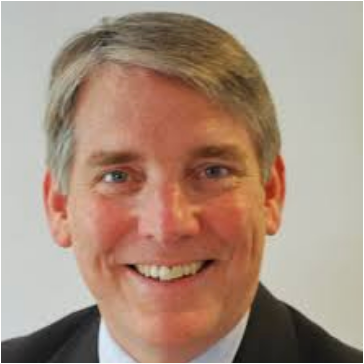
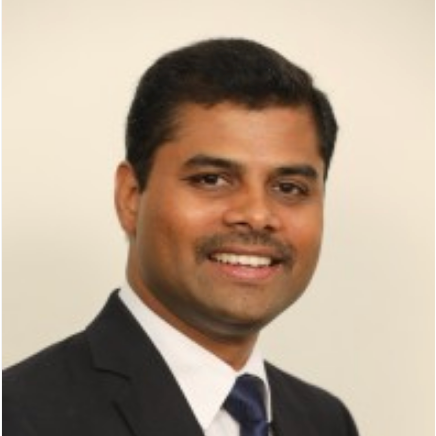
Dr James Saunders,
Professor, Otology & Neurotology, Geisel School of Medicine at Dartmouth
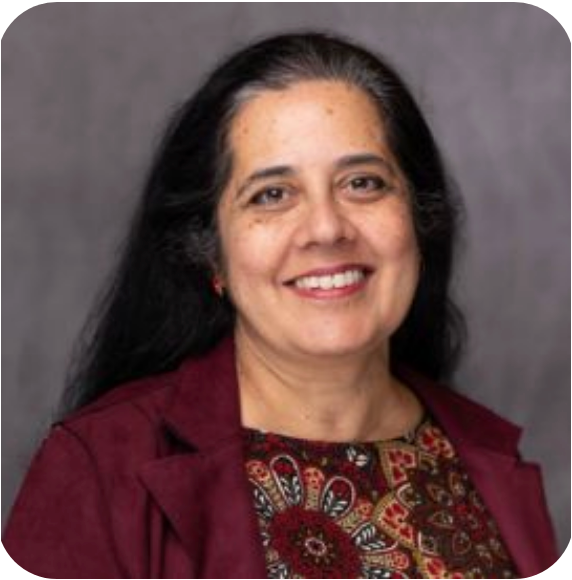
Dr. Sujana Chandrasekhar,
Clinical Associate Professor of Otolaryngology
Partner, ENT & Allergy Associates, LLP
Prof. Ranjith Rajeswaran,
Principal, Professor, MERF-ISH , Chennai, Chief Audiologist, MERF
Evaluation and Management of Conductive Hearing Loss
Conductive and mixed hearing loss, whether arising from congenital aural atresia, chronic middle ear disease, ossicular pathology, or otosclerosis, presents distinct diagnostic and therapeutic challenges across the lifespan. This interactive workshop brings together experts in the management of conductive hearing loss to provide a practical, multidisciplinary framework for the assessment and treatment of patients with conductive hearing loss, including congenital aural atresia and microtia.
The session will begin with the clinical evaluation, including history, otologic examination, and audiometric profiles. Syndromic associations, craniofacial assessment, and the role of high-resolution temporal bone imaging and grading systems used to predict surgical candidacy for atresiaplasty will be reviewed. The audiological component will address age-appropriate testing in infants and children, interpretation of air- and bone-conduction thresholds, masking dilemmas, tympanometry and acoustic reflexes, unilateral hearing loss and its developmental consequences, and early amplification strategies including softband bone conduction devices.
Surgical management will be discussed in depth, covering ossiculoplasty, stapes surgery, canalplasty and atresiaplasty, and coordination with auricular reconstruction. Faculty will present current evidence on outcomes, complications, and patient selection. Attention will be given to implantable hearing solutions, including percutaneous and transcutaneous bone conduction implants, active middle ear implants, and emerging technologies—reviewing indications, minimum age criteria, preoperative trials, surgical technique, and postoperative programming and rehabilitation.
Case-based discussion and audience participation will highlight decision-making in resource-variable settings. Attendees will leave with an evidence-informed algorithm for individualized management of conductive hearing loss form multiple etiologies including aural atresia.
Workshop 3 – 0900 – 1600
Rehabilitation models focussing on audition, communication, education, literacy & societal inclusion
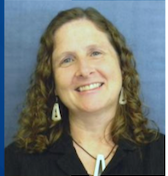
Dr Paula Pittman, Director of the SKI-HI and Deaf Mentor Outreach and Training Programs
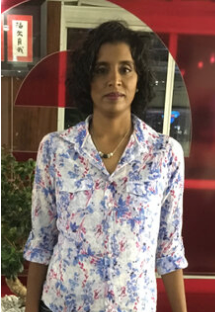
Dr Selvarani Moodley, Department of Speech Pathology and Audiology, School of Human and Community Development
Status
Open
Restricted to 15 participants
open to attendees that have registered and paid for a bundle only.
e-mail gd@e2.co.za to be included.
Rehabilitation models focussing on audition, communication, education, literacy & societal inclusion
Anchor: Dr Paula Pittman
Early Intervention for Deaf children: It takes a village
Comprehensive early intervention is a multi-faceted process requiring seamless partnerships across professions. When done well, it provides the necessary intervention for child development as well as provides parents with the skills to support their young deaf or hard of hearing children and build a strong foundation for development.
The workshop will provide an open environment to discuss best practices and key elements of a family-centered early intervention system.
Topics include:
• The role of audiologists in screening, supporting follow-up, and clearly communicating “refer” results.
• Informed choice, including honest discussions about late identification and its impact on communication, language and outcomes.
• Communication approaches (oral and SL), presenting options without bias and supporting family choices.
• Neuroplasticity and the importance of early communication and auditory stimulation.
• Providing unbiased information across the intervention process to support family decision-making.
• Verifying amplification effectiveness, with parent and community involvement, and supporting hearing aid use.
• The value of deaf mentors and parent-to-parent support.
• Transition to formal education and socio-emotional well-being.
• Strategies for effective partnerships with families.
Participants will reflect on their practices, consider service improvements, and explore new ways to support families of young deaf or hard of hearing children with openness and creativity. They will be encouraged to think outside of the box.
Who should attend?
- Audiologists and hearing care professionals
- Parents and caregivers of children who are deaf or hard of hearing
- Community health workers, early interventionists, and educators
By the end of the workshop, participants will:
- Understand the key building blocks of an effective early intervention system
- Feel more confident with supporting families to make informed choices
- Better understand how to guide families in making informed choices that will best support their child’s development
Workshop 4 0900 – 1300
Family empowerment – Stigma & safety
Restricted to 30 participants
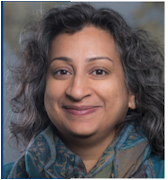
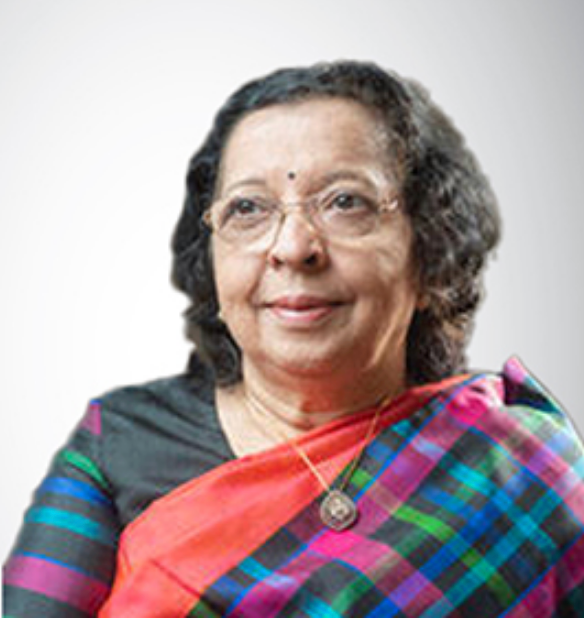
Dr Deepa Rao,
Professor, Global Health Associate Vice Provost, University of Washington
Dr Kalyani Mandke,
Director, Mandke Hearing Services, Pune
Status
Open
Restricted to 30 participants
open to attendees that have registered and paid for a bundle only.
e-mail gd@e2.co.za to be included.
Stigma is a global, intersectional, multilevel phenomenon that can apply to various health conditions, identities, and social statuses. Fortunately, researchers have developed robust measures, and empirically based intervention approaches, that work to identify and reduce stigma. In this workshop, we will define stigma, discuss its impact across multiple levels of our ecosystem, and overview methods of measuring stigma in clinical and research environments. We will discuss research outcomes of studies focused on reducing stigma. While there has been much progress over the past decades in development and evaluation of stigma interventions, much work remains to expand this work across areas such as hearing health. Finally, we will examine stigma’s impact on hearing health, the multidimensional factors to consider in developing and implementing stigma reduction interventions, and co-create intervention frameworks to use in research and practice.
Workshop 5 – 0900 – 1600
Frequency-specific Auditory Brainstem Response
Restricted to 30 participants
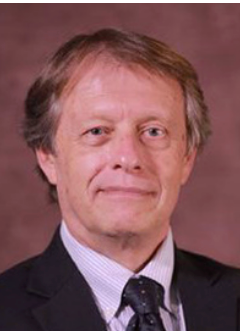
Dr James Hall,
Professor, Audiology, Osborne College of Audiology, Salus University, Department of Communication Sciences and Disorders, University of Hawaii
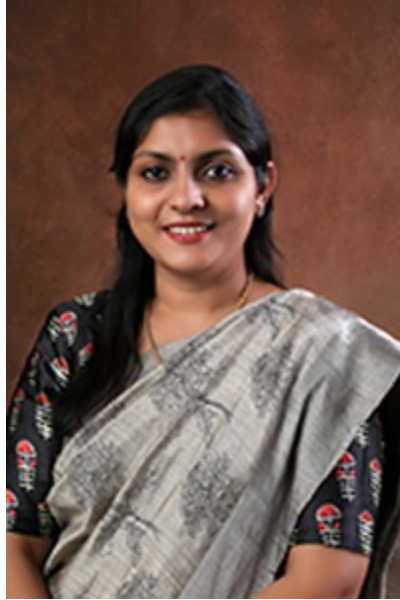
Dr Jayashree S,
Associate Professor & Head- Audiology, SRFASLP, SRIHER (DU)
Dr Sandeep M, Professor, Department of Audiology, AIISH, Mysuru
Frequency-Specific ABR and More
Anchor: James W. Hall III, PhD
Abstract
This hands-on workshop provides audiologists and physicians with practical “take home” information on objective auditory assessment of infants, with an emphasis on frequency-specific auditory brainstem response (ABR) measurement. The workshop begins with a review of the rationale for infant hearing assessment and an introduction to relevant clinical practice guidelines. Attendees will then be introduced to procedures and protocols for the diagnosis of infant hearing loss including aural immittance measures (tympanometry and acoustic reflexes), otoacoustic emissions, ABR (air- and bone conduction click stimulation; conventional and chirp versions of tone burst stimuli), and the auditory steady state response (ASSR). The workshop will feature demonstrations of objective auditory measurements using clinical devices. Attendees will have an opportunity to participate in hands-on testing activities with selected procedures. There will be ample opportunities for questions. Attendees will be given electronic versions of handouts including: 1) A copy of the PPT presentations, 2) Relevant articles, 3) PDF version of the original 1992 Handbook of Auditory Evoked Responses.
Click here to learn more about the Saturday and Sunday program.

“Funding for this conference was made possible in part by 1R13DC022790-01 from National Institute of Communication and Other Disorders. The views expressed in written conference materials or publications and by speakers and moderators do not necessarily reflect the official policies of the Department of Health and Human Services; nor does mention of trade names, commercial practices, or organizations imply endorsement by the U.S. Government.”